
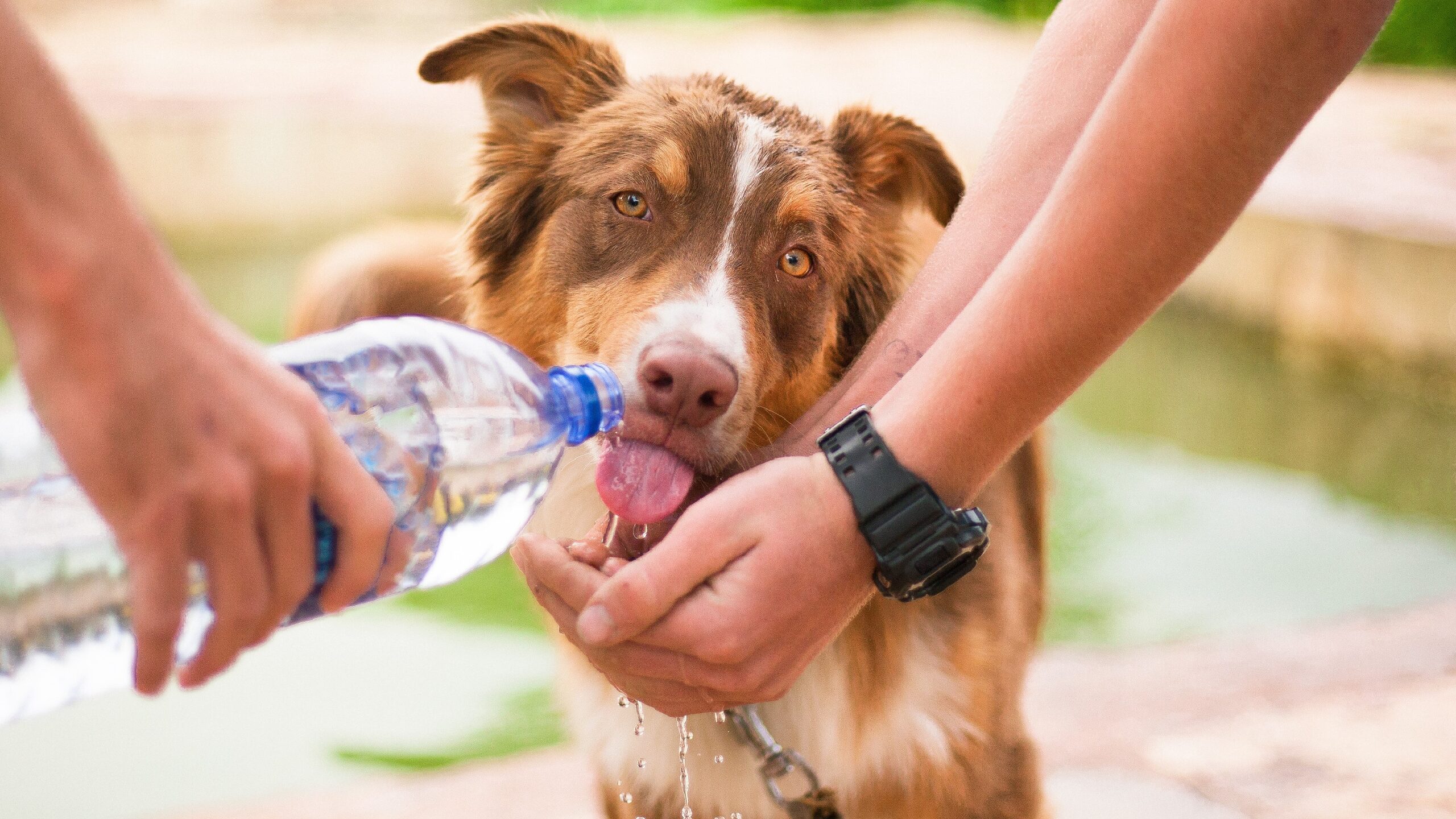
As Nashville temperatures climb, staying hydrated becomes just as critical for your pets as it does for you. While most pet owners know their dog or cat needs fresh water available, many don’t realize how quickly summer heat can push a pet toward dangerous dehydration — sometimes within hours.
At Caudle Vet Clinic, your Nashville veterinarian, we want to make sure your furry family members stay cool, healthy, and well-hydrated all summer long. Here is everything you need to know about pet hydration this season.
How Much Water Does Your Pet Actually Need?
A general rule of thumb: dogs need approximately one ounce of water per pound of body weight per day. So a 50-pound dog should be drinking around 50 ounces — or just over six cups — daily. Cats need slightly less, roughly 3.5 to 4.5 ounces per 5 pounds of body weight per day.
Keep in mind that these numbers increase significantly when:
- Temperatures are high or your pet spends time outdoors
- Your pet is highly active or exercises frequently
- Your pet eats primarily dry kibble (wet food contributes to daily water intake)
- Your pet is pregnant, nursing, or a senior
If you have questions about your pet’s specific hydration needs, our team can help during a Wellness Exam.
Signs of Dehydration in Dogs and Cats
Dehydration can sneak up fast, especially on hot Tennessee summer days. Knowing the warning signs can make all the difference:
- Dry Nose and Gums: Gums should be moist and pink — tacky or pale gums are a red flag.
- Skin Tenting: Gently pinch the skin on the back of the neck; it should snap back immediately. A slow return indicates dehydration.
- Sunken Eyes: Eyes appear dull or recessed rather than bright and alert.
- Lethargy: Unusual tiredness or reluctance to move, even in a normally active pet.
- Loss of Appetite: Skipping meals paired with low energy can be an early warning sign.
- Thick Saliva: Saliva appears ropy or stringy rather than watery.
- Excessive Panting: Especially in dogs after minimal physical activity.
If you notice several of these signs together, do not wait. Contact us immediately, as severe dehydration can quickly become a life-threatening emergency.
Tips to Keep Your Pet Hydrated This Summer
The good news is that encouraging your pet to drink more water is easier than you might think. Here are a few simple strategies:
- Refresh Water Frequently: Change your pet’s water at least once or twice a day. Pets are much more likely to drink fresh, cool water than a bowl that has been sitting in the heat.
- Add Extra Water Stations: Place multiple water bowls around the house and in shaded outdoor spots. More access means more drinking.
- Try a Pet Water Fountain: Many cats and some dogs are naturally drawn to moving water. A pet fountain encourages drinking and keeps water oxygenated and cool.
- Add Water to Their Food: Mixing a small amount of water or low-sodium broth into dry kibble can significantly boost your pet’s daily fluid intake.
- Bring Water on Every Outing: Never leave home for a walk, hike, or car ride without a portable water bottle and a collapsible bowl. Learn more about summer pet safety tips from the AKC.
- Offer Pet-Safe Frozen Treats: Frozen low-sodium chicken broth cubes or plain frozen fruits like blueberries can be a fun, hydrating summer snack. Always check which foods are safe by reviewing this pet nutrition guide first.
Hydration and Heat Stroke: Know the Difference
Dehydration and heat stroke are related but separate emergencies. Heat stroke occurs when your pet’s body temperature rises to dangerous levels and can happen even when a pet has access to water.
Signs of heat stroke include heavy, rapid panting, drooling, bright red gums, vomiting, staggering, and collapse. If you suspect heat stroke, move your pet to a cool area, apply cool (not cold) water to their body, and contact our clinic or an emergency veterinary service immediately.
The best prevention is limiting outdoor activity to the early morning or evening hours, never leaving pets in a parked car, and always ensuring shade and water are available.
When to Call Caudle Vet Clinic
While mild dehydration can sometimes be managed at home with rest and water, moderate to severe dehydration requires veterinary care. Your pet may need IV fluids, electrolyte support, and an assessment to rule out any underlying conditions that may be contributing to the problem.
During a routine Wellness Exam, our team can also evaluate your pet’s overall health and discuss any dietary or hydration concerns before they become a summer emergency. Staying current on your pet’s Vaccinations and preventative care is equally important heading into the season, as summer activity increases exposure to parasites and illness.
Keep Your Pet Cool and Healthy This Summer
Hydration is one of the simplest — and most important — things you can do for your pet’s health during the summer months. A little extra attention to their water intake can prevent a serious and stressful emergency.
If you have any concerns about your pet’s health or want to schedule your pet’s visit before the summer heat peaks, we are here to help. Explore our full range of Services or reach out through our Contact Us page today.
From everyone at Caudle Vet Clinic, stay cool out there!
Book Your Summer Wellness Visit Today
Is your pet ready for the Nashville summer? Don’t wait until the heat takes a toll. Schedule an appointment with Caudle Vet Clinic to make sure your pet is healthy, hydrated, and protected all season long. Give us a call at (615) 227-6230 or visit our Contact Us page to book your visit!